Clear Answers and a Safe Plan for Every Meal
A food allergy can turn birthday parties, school lunches and restaurant meals into a source of worry. At Bama Pediatrics & Allergy in Northport, AL , our team pinpoints which foods cause your child’s or your own reactions. We then build a practical plan so your family can eat with confidence and respond quickly if a reaction happens. Because we offer both pediatric and allergy care under one roof, you get coordinated answers from people who already know your family.
request an appointmentWhat Is a Food Allergy?
A food allergy happens when the immune system mistakes a protein in a food for a threat. The body releases chemicals such as histamine, which cause symptoms that range from mild itching to a life-threatening reaction called anaphylaxis. Food allergies can begin in infancy or appear later in life. Some, like milk and egg allergies, are often outgrown during childhood. Others, like peanut, tree nut and shellfish allergies, tend to last.
Food allergies are different from food intolerances. Lactose intolerance, for example, causes digestive discomfort but does not involve the immune system and is not dangerous in the same way. Knowing which one you are dealing with matters, and our allergy and immunology team can help you sort it out.
Common Food Allergy Triggers
Nearly any food can cause an allergic reaction, but most reactions come from a small group of foods:
- Peanuts
- Tree nuts, such as almonds, cashews, walnuts and pecans
- Cow’s milk
- Eggs
- Wheat
- Soy
- Fish
- Shellfish, such as shrimp, crab and lobster
- Sesame
Signs and Symptoms to Watch For
Reactions usually start within minutes to two hours after eating the trigger food. Symptoms can include:
- Hives, redness or itchy skin (learn more about hives)
- Swelling of the lips, tongue, face or throat
- Vomiting, stomach cramps or diarrhea
- Coughing, wheezing or trouble breathing
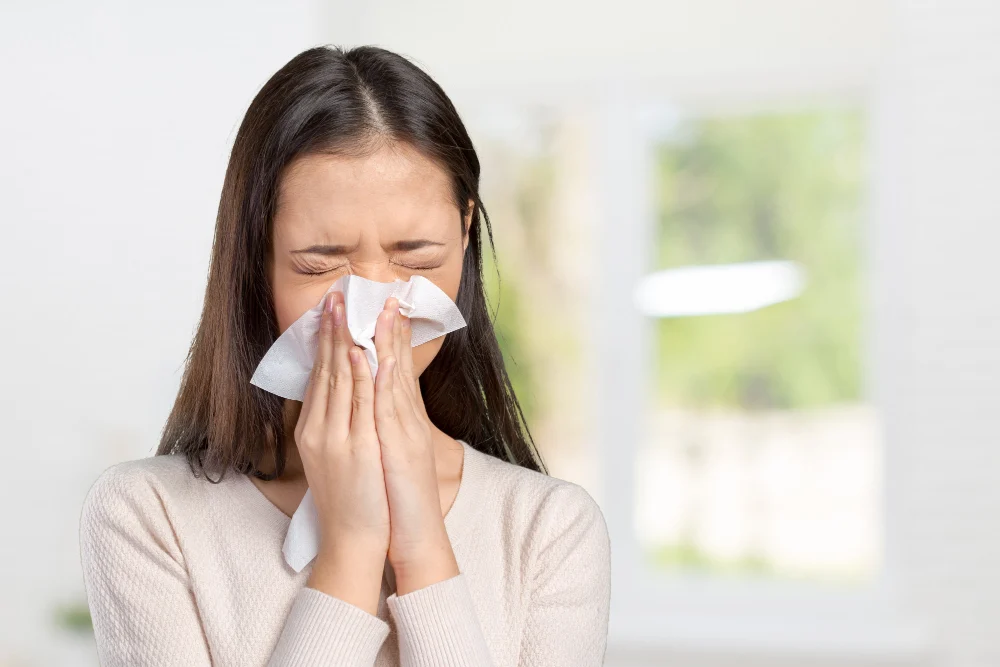
- Nasal congestion or sneezing
- Dizziness, paleness or a sense that something is wrong
Anaphylaxis is a medical emergency. If your child has trouble breathing, throat tightness, repeated vomiting or signs of fainting after eating, use epinephrine if it has been prescribed and call 911 right away.
Who Is More Likely to Have Food Allergies?
Children with a family history of allergies face a higher risk. So do children who already have other allergic conditions. Food allergies often appear alongside eczema, asthma and seasonal allergies. Babies with moderate to severe eczema benefit from an early conversation about introducing allergenic foods safely. We are happy to discuss this during well-child visits.
How We Diagnose Food Allergies
An accurate diagnosis starts with a detailed history. We will ask what was eaten, how much, how quickly symptoms began and what they looked like. Filling out our allergy history form before your visit helps us make the most of your appointment. Depending on your history, testing may include:
- Skin prick testing: a small amount of food extract is placed on the skin to check for a raised, itchy bump.
- Blood testing: a lab test measures allergy antibodies (IgE) to specific foods.
- Supervised food challenges: when appropriate, a patient eats small, gradually increasing amounts of a food under medical supervision to confirm whether an allergy is present or has been outgrown.
Test results are always interpreted alongside your history. A positive test alone does not always mean a true allergy. Careful interpretation helps families avoid cutting out foods unnecessarily.
Managing Food Allergies Day to Day
Our goal is to keep your child safe without making life smaller than it needs to be. A food allergy care plan from our office may include:
- Clear guidance on which foods to avoid and which are safe
- Tips for reading labels and spotting hidden ingredients
- A prescription for an epinephrine auto-injector and hands-on training in how to use it
- A written emergency action plan for school, daycare, sports and caregivers
- Advice on cross-contact at home, at restaurants and at events
- Regular follow-up testing to see whether an allergy is being outgrown
We care for both children and adults, so parents with their own food allergies can be seen too. Learn more about our adult and pediatric allergy care.
Coordinated Care for Your Whole Family
Because Bama Pediatrics & Allergy combines pediatrics and allergy care, your child’s pediatrician and allergist work from the same record. That makes it easier to manage growth, nutrition, vaccines and allergy concerns together. Visit our conditions we treat page to see other allergy-related concerns we help with. You can also meet our staff or read our new patient information before your first visit.
Food Allergy Questions Parents Ask Us
How do I know if my child has a food allergy or a food intolerance?
A food allergy involves the immune system and can cause hives, swelling, vomiting or trouble breathing, sometimes within minutes. An intolerance, such as lactose intolerance, mainly causes digestive discomfort and is not life-threatening. An allergy evaluation with history and testing can tell the difference.
At what age can my child be tested for food allergies?
Food allergy testing can be done at any age, including infancy. We decide on testing based on your child’s symptoms and history rather than age alone.
Can my child outgrow a food allergy?
Many children outgrow milk, egg, wheat and soy allergies. Peanut, tree nut, fish and shellfish allergies are less likely to go away. Periodic retesting helps us see whether an allergy is fading and whether a supervised food challenge makes sense.
When should we use an epinephrine auto-injector?
Use epinephrine right away if your child shows signs of a serious reaction, such as trouble breathing, throat tightness, swelling of the tongue, repeated vomiting or fainting after eating a trigger food. Then call 911. We train families on exactly when and how to use it.
Does my child’s school need an allergy action plan?
Yes. A written emergency action plan tells teachers, nurses and coaches which foods to avoid, which symptoms to watch for and what to do in an emergency. We can complete these forms for school, daycare and camps.
Are food allergies linked to eczema and asthma?
Yes. Children with eczema or asthma are more likely to have food allergies, and these conditions often appear together. Managing them as a group usually leads to better control of each one.
Do you treat adults with food allergies?
Yes. Our allergy and immunology care is available to both children and adults, so parents and older family members can be evaluated and treated in the same office.
Take the Guesswork Out of Food Allergies
If you suspect a food allergy in your child or yourself, our Northport, AL team can help you find answers and build a plan that keeps your family safe. Call (205) 333-5900 or request a visit online. Have more questions first? Browse our frequently asked questions.